
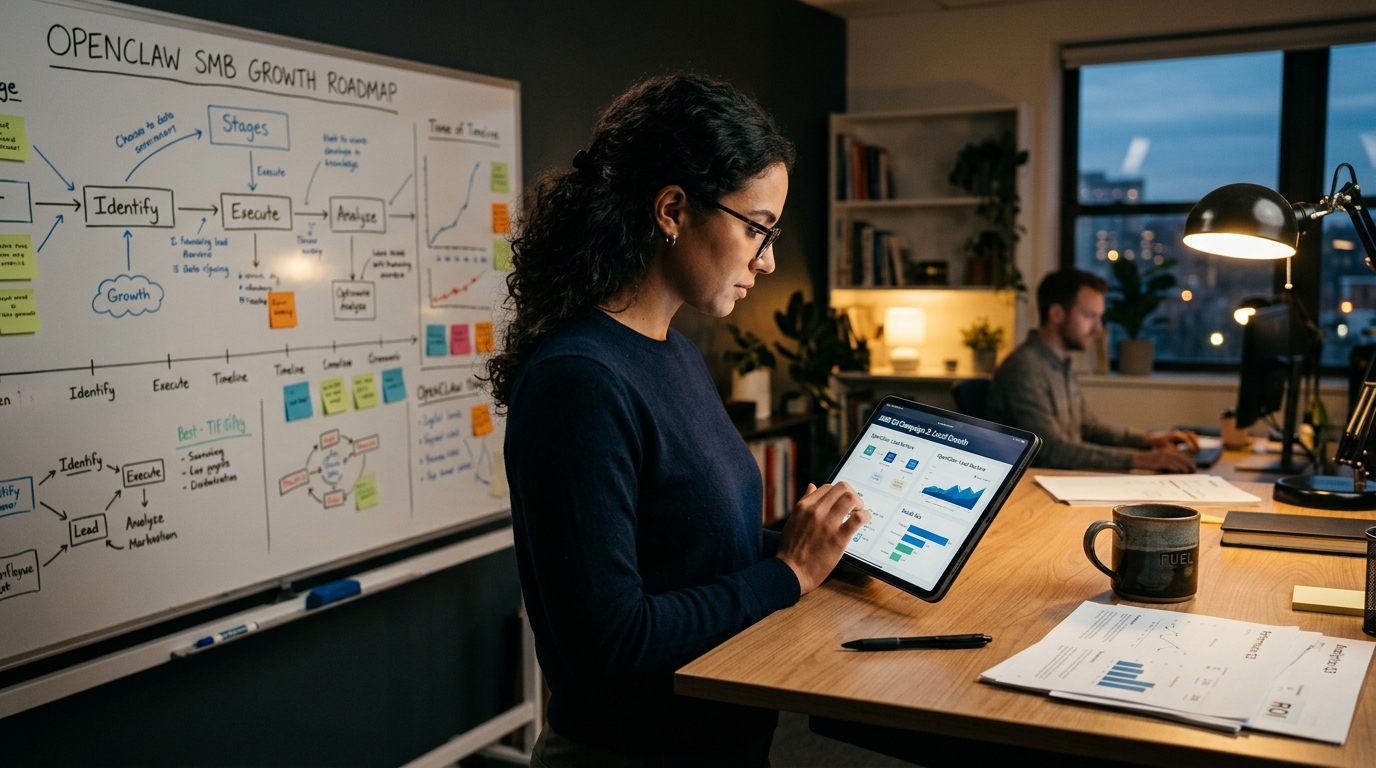
The shift toward localized agent frameworks is reshaping how independent creators and small-to-medium businesses operate. In early 2026, OpenClaw has distinguished itself as the dominant desktop-native framework, replacing brittle web integrations with fluid, on-device automation. As noted by TechCrunch, local AI has officially transitioned from a hobbyist experiment into a crucial productivity driver for teams under ten.
Moving Beyond Basic Scripts
Historically, operators relied on cloud automation platforms. These workflows were powerful but detached from the messy reality of file systems and local software. OpenClaw changes this by running entirely within the operator's workspace, allowing agents to see, read, and manipulate local context directly. According to a Hugging Face Research Report, over 65% of productivity agents are now deployed locally to bypass API latency and improve data privacy.
A typical modern workflow might begin with a morning routine script. A solo creator can command their OpenClaw instance to review overnight emails, summarize key project updates from a local memory file, and draft initial responses. This integration provides a level of contextual awareness previously impossible with standard chatbots.
Real-World Creator Deployments
Consider the case of independent podcasters and YouTubers. Instead of manually moving files, a simple OpenClaw script can automatically detect new video exports, generate a transcript, write YouTube descriptions, and queue social posts. As The Verge highlights, the creator economy is rapidly adopting open-source AI tools specifically to avoid vendor lock-in.
Moreover, setting up an OpenClaw instance requires fewer technical hurdles than older frameworks. The system uses a simple TOOLS.md and SKILLS.md structure that even non-developers can edit. For a detailed breakdown on setting up agent skills, check out our guide on creating effective agent skills.
Practical Implementation Patterns
Implementing OpenClaw successfully requires a shift in mindset. Instead of thinking of AI as a search engine, operators must treat it as an asynchronous assistant. Here are three common patterns:
- The Content Pipeline: Agents that monitor a specific folder for raw text files, format them into markdown, and push them to a static site generator via the GitHub CLI.
- The Daily Digest: Scheduled tasks using OpenClaw's heartbeat function to aggregate news, server metrics, and analytics into a single morning briefing document.
- Local SEO Analysis: Scanning existing blog posts and suggesting internal link improvements or updated metadata directly via the code editor, a workflow heavily discussed in Search Engine Land's recent automation piece.
Looking Ahead
The velocity of OpenClaw's development suggests we are only scratching the surface of local agent capabilities. With native image generation integration, like the recent VentureBeat coverage on rapid local diffusion models, creators can now automate multimedia production entirely offline.
For independent businesses, this means fewer subscriptions, tighter feedback loops, and workflows perfectly tailored to the operator's exact needs. As the ecosystem matures, the gap between what a solo founder can accomplish compared to a well-funded team continues to narrow.